


 United Kingdom
 Deutschland
 Belgique
 Suisse
 Österreich
 España
 Italia
 Nederland
 Danmark
 Sverige
 Portugal
 Polska
 Luxembourg
 Other countries

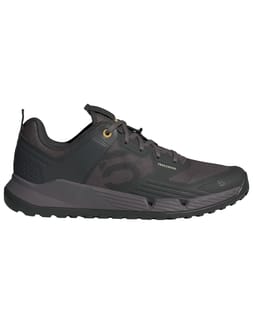


If you ride MTB with flat pedals and want footwear designed for the job, you'll need shoes that balance grip, protection and walking comfort. Choosing the right pair for flat pedals comes down to specific criteria, which we detail here to help you find the perfect model for your needs.
Why choose MTB shoes for flat pedals?
Wearing shoes specifically designed for flat pedals transforms your connection to the bike. Where regular trainers slip at the first impact and road cycling shoes are awkward for walking, MTB shoes with flat soles offer grip on metal pins, calibrated stiffness for power transfer, and comfort for hike-a-bike sections or technical descents. The choice of MTB shoe should match your pedal type, and vice versa-they go hand in hand. Unlike clipless shoes that lock your foot to the pedal, flat pedal models prioritise freedom of movement and allow instant release-an essential advantage for enduro, technical downhill or for anyone wanting full control at all times.
The benefits of MTB shoes for flat pedals
Flat pedals are increasingly popular, from all-mountain riders to bike park enthusiasts. The ability to put your foot down instantly changes how you approach tricky sections: in rocky terrain, tight switchbacks or uncertain crossings, you can quickly regain balance without being stuck to the pedal. For beginners or those new to technical trails, this freedom is a real confidence booster, removing the fear of falling due to mechanical binding and letting you focus on riding.
Versatility is another major plus. MTB shoes for flat pedals are as good for walking as they are for pedalling: whether you're carrying your bike up a steep singletrack, pushing through scree, or stopping for a picnic at the summit, you'll stay comfortable and walk naturally. This dual-purpose design is why these shoes are favoured by riders who mix MTB with outdoor adventures, or who combine riding and walking in the same outing.
How to choose the right MTB shoe?
Your riding style determines your requirements. A cross-country rider covering long distances on smooth trails won't need the same features as an enduro fan tackling rocky descents. Before choosing a model, consider the type of rides you do, your main riding season, and the level of protection you need for your ankles and toes. This approach will help you narrow down your search and avoid the common mistake of over-specifying-a shoe built for extreme downhill can be a hindrance on rolling terrain.
Selection criteria: sole, comfort and grip
The sole of a flat pedal shoe is typically medium-stiff: rigid enough to avoid slipping, yet flexible enough to conform and grip the pedal. The sole should be thick enough for stability, but thin enough for good feel and support. The type of rubber is also key-firmer rubber offers better grip, while a softer sole is more comfortable but may absorb some pedalling energy.
Beyond the sole, several factors deserve attention:
- Tread pattern: Well-defined, spaced lugs ensure reliable grip on metal pins and help shed mud in wet conditions.
- Foot support: Good lacing (traditional laces, Velcro or BOA dial) combined with heel reinforcement prevents unwanted movement during landings and lateral pedal forces.
- Protection: Toe caps, reinforced toes and ankle guards are essential for aggressive riding, enduro or downhill, where rock strikes and impacts are common. Gravity riders should also consider MTB protection and a suitable MTB helmet.
- Breathability or waterproofing: A mesh upper is best for summer rides, while a waterproof-breathable membrane is preferable for wet or muddy conditions.
- Intended use: For all-mountain or enduro, choose more protective models with a stiff sole and mid or high upper; for XC or light trail, a low-cut, more flexible shoe is ideal.
The best brands for MTB flat pedal shoes
The flat pedal MTB shoe market has grown rapidly, with established manufacturers and generalist brands excelling in this demanding segment. Five Ten is a benchmark: its Stealth rubber features on the iconic Freerider, a favourite among committed riders for over a decade, as well as the more technical Freerider Pro and Freerider Pro BOA for even greater support and precision. Ion, the German brand, is known for robust, protective shoes built for enduro and downhill, with the standout Seek model capturing the brand's DNA. Scott rounds out the selection with a strong flat pedal range. The Mtb Volt Evo Flat Boa, available for men and women, features precise BOA closure and a sole designed for pin grip, while the Mtb Shr-Alp Flat Lace offers classic lacing and versatility for both pedalling and walking. The Swiss brand has built a coherent range to suit both regular and more aggressive riders.
Care guide: extending the life of your shoes
MTB flat pedal shoes endure a unique mix: mud from the rear wheel, repeated pin abrasion, prolonged wet rides and rock impacts. Regular care tailored to these demands will significantly extend their lifespan and maintain grip performance. Dirty or hardened rubber quickly loses effectiveness on pedal pins.
After muddy rides, rinse shoes with lukewarm water and a soft brush-never use a pressure washer, which can damage seams, membranes and adhesives. Don't forget to remove stones and twigs from the tread, as these grooves are where the rubber grips the pedal. Always air dry, with insoles removed, away from direct heat. Radiators or hairdryers harden the rubber in minutes and ruin the grip properties that make these shoes special. Finally, regularly apply a suitable waterproofing spray for the upper material (leather, synthetic or mesh) to maintain long-term moisture protection.
FAQ: Frequently asked questions about MTB flat pedal shoes
What are the differences between MTB shoes for flat pedals and for clipless pedals?
Clipless pedal shoes have a cleat under the sole that locks into the pedal, providing mechanical retention and optimising pedalling efficiency both pushing and pulling. Flat pedal models use a grippy rubber sole to stick to the pedal pins, with no mechanical attachment. This approach prioritises freedom, instant release and versatility, making them ideal for technical, aggressive riding or for beginners.
Can you use MTB flat pedal shoes for hiking or in town?
Yes, to a large extent. Most MTB flat pedal shoes have soles flexible enough for comfortable walking, and their look is often similar to approach shoes or reinforced trainers. They're great for occasional urban use and light trail hiking. For long mountain hikes, however, dedicated outdoor models still offer better support, protection and grip on rough terrain.
What should you look for in MTB flat pedal shoes for all-mountain or enduro?
For these demanding disciplines, look for a mid or high upper to protect the ankle from rock strikes, a stiff sole for power transfer on long climbs, soft rubber for maximum grip on pedal pins in technical sections, and reinforced toe and heel for stone impacts. A secure closure system, whether hidden laces or a BOA dial, completes the checklist for shoes built for enduro and all-mountain.
Discover our full selection in the MTB shoes category at Snowleader, and explore our wider MTB range to equip your entire riding experience.



Sign up for our newsletter
Be the first to hear about promotions, sales, special offers, snowleader events, and new brands added to our catalog!
By signing up for our newsletter, you agree to receive our personalized emails and to allow us to track whether you open them. You can change your consent at any time after you first receive a communication, or after creating your account, if applicable.


