


 United Kingdom
 Deutschland
 Belgique
 Suisse
 Österreich
 España
 Italia
 Nederland
 Danmark
 Sverige
 Portugal
 Polska
 Luxembourg
 Other countries


End of the Season for Snow Series
Up to 70% off items at the end of the season for snow*


FALL SALE: UP TO 50% OFF
On a wide selection of products*

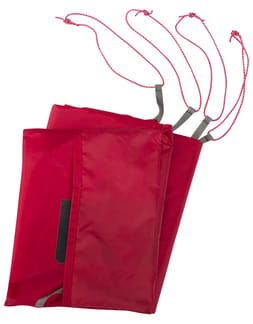
Discover our range of ground sheets and footprints for your tent. They protect your tent from rough ground, water, and wear. Whether tailored or universal, lightweight or reinforced, choose the right one for your tent and your chosen terrain.
Ground sheet: extra protection for your tent
The ground sheet, also known as a footprint, is an accessory usually sold separately from your tent. The footprint protects your tent floor from moisture, abrasive surfaces, dirt, and sharp objects. Don't confuse a ground sheet with your tent's sewn-in floor. Trekking, camping, and mountaineering tents are made up of a roof, walls, and a floor. This floor is the tent's base, sewn to the side walls to keep your gear and sleeping mat dry and clean. The ground sheet slides underneath this floor, creating an extra barrier between your tent and the ground, where wear and tear are most likely to occur. Find your next ground sheet at Snowleader!
Why use a tent ground sheet?
There are several reasons to use a footprint. It extends the lifespan of your tent by reducing floor wear and improves waterproofing. On repeated bivouacs on rocky ground, it absorbs abrasion from gravel and roots, saving your tent's floor, which is much more expensive to replace. Most ground tarps are designed for a specific tent model and match its dimensions exactly, but there are also universal sheets you can cut to size yourself.
Protection and durability
Micro-perforations, tears, and water ingress from the ground are the main causes of tent ageing, and the footprint protects against all of these. By taking the brunt of the wear, it significantly extends the life of your shelter. It also makes cleaning easier: after a muddy trip, simply shake out and wipe down the ground sheet with a damp sponge instead of turning the whole tent inside out.
Comfort and insulation
Your night's comfort depends largely on the ground. By adding a layer between the terrain and your tent floor, the ground sheet limits rising damp and cold, keeping the inside of your tent drier and better insulated. This is especially noticeable when camping on damp ground or in mid-season, when the chill from the ground quickly seeps into your shelter.
How to choose the right tent ground sheet?
Two criteria guide your choice of footprint: the strength of its fabric, which determines its durability and weight, and its compatibility with your tent, which affects its real-world effectiveness.
Materials and durability
The strength of a ground sheet is measured by the denier (D) of its fabric, which indicates thread density: the higher the number, the tougher the fabric, but also the heavier it is to carry. Here's how to choose:
- A 30 to 40D nylon or polyester ripstop fabric is lightweight, ideal for trekking and hiking tents and ultralight trips;
- a thicker 68 to 75D fabric is better for rough terrain and frequent camping use;
- a Tyvek sheet, both very light and highly durable, is popular with minimalist campers as a backup ground sheet;
- a silicone or polyurethane coating with sealed seams ensures long-lasting waterproofing.
Compatibility with your tent
Once you've chosen the fabric, the next key factor is fit. A dedicated footprint matches the exact dimensions of a specific tent model and attaches securely at the corners, making it the safest option. A universal ground sheet offers more versatility, as long as you cut it slightly smaller than the tent floor: if it sticks out, it will collect rainwater and trap it under your tent, which is the opposite of what you want. Finally, check the setup options, as some footprints allow for a "tarp" or "Fast and Light" pitch, where only the flysheet and ground sheet are used. This setup creates an ultralight shelter with a large covered sleeping area. Find your next ultralight tent and ground tarp at Snowleader.
The best ground sheet brands for tents
At Snowleader, footprints usually come from the same manufacturers as the tents they're designed for, ensuring a perfect fit. If you're after a universal sheet to cut to size, MSR is a top choice with its Universal Footprints in 68D polyester, available in several sizes to fit most tents. For dedicated ultralight models, Big Agnes covers its Copper Spur, Fly Creek, and Tiger Wall ranges in ripstop nylon, while Nemo equips its Hornet, Dagger, and Dragonfly tents with robust, more sustainable 75D recycled polyester footprints. For camping where durability matters more than weight, Kampa ground tarps and Vaude Allround footprints offer generous fabrics, with Ferrino completing the range for trekking tents; Sea to Summit also offers a Telos Bigfoot footprint tailored for its namesake tent. Don't forget to complete your setup with essential tent accessories, from pegs to guy lines.
FAQ: all about tent ground sheets
Original footprint or universal ground sheet: which to choose?
The original footprint, designed for a specific model, guarantees a perfect fit and fixings aligned with the tent: it's the worry-free choice. The universal ground sheet offers versatility and savings, but you'll need to cut it to size yourself. If you have just one tent and plan to keep it for a long time, the dedicated model is safest; if you change shelters often or own several, the universal option quickly becomes more practical.
Is a footprint enough to insulate from the cold, or do you need a sleeping mat?
The footprint limits rising damp and reduces direct contact with cold ground, but it doesn't replace a sleeping mat. Only the mat, with its insulation value (R-value), truly keeps you warm at night. Both are complementary: the footprint protects the tent from outside, the mat insulates you inside.
How do you re-waterproof a tent ground sheet?
With use, a footprint's waterproof coating will eventually wear off. To restore it, clean the ground sheet with clear water and a sponge, let it dry completely, then apply a suitable waterproofing treatment to the coated side, preferably the one in contact with the ground. Allow enough time for the product to set and dry fully before packing away to ensure lasting protection.
Can you make your own ground sheet?
Yes, many hikers cut their own ground sheet from a sheet of Tyvek or a lightweight polycro tarp, both inexpensive and very light materials. The rule is the same as for a shop-bought universal: cut the piece slightly smaller than the tent floor to avoid water retention. This DIY solution is great for minimalist camping, though it doesn't offer the fixings of a dedicated footprint.



Sign up for our newsletter
Be the first to hear about promotions, sales, special offers, snowleader events, and new brands added to our catalog!
By signing up for our newsletter, you agree to receive our personalized emails and to allow us to track whether you open them. You can change your consent at any time after you first receive a communication, or after creating your account, if applicable.


