


Women's running shoes


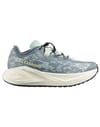
Condor 3 Advanced Rose Gradient Calcaire
Road running shoes - Women -
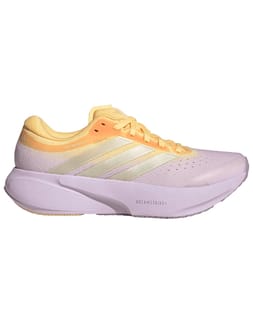


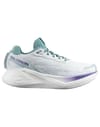
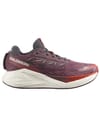


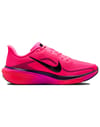
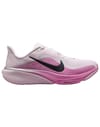


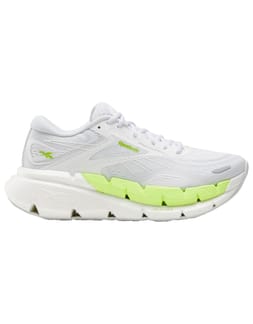

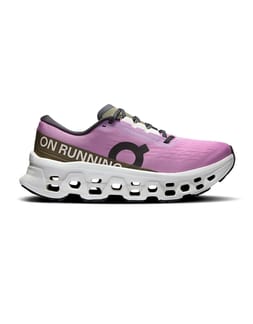


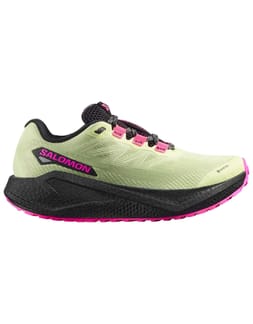
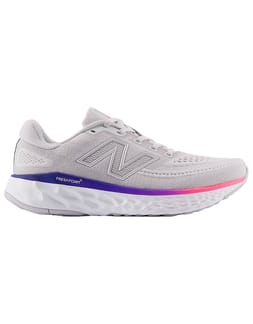

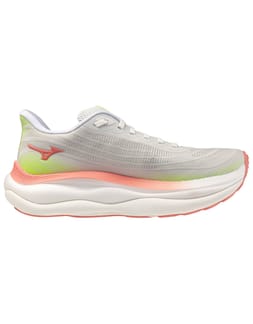
Evoz V4 W Grey Matter/Pink Heat/Blue Oyster
Road running shoes - Women -
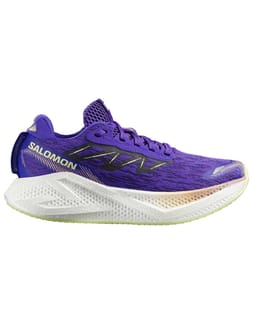

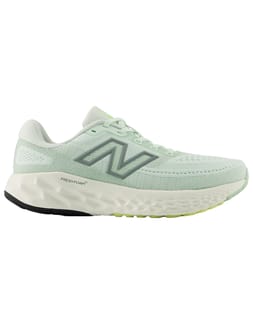


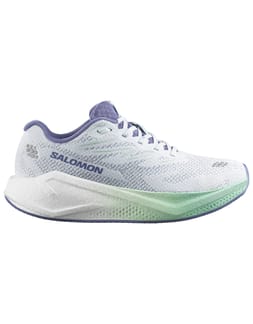
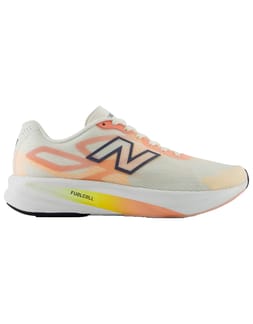

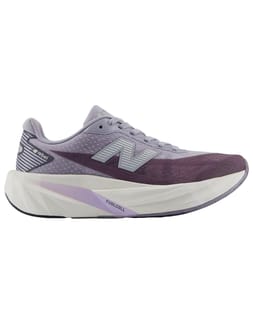





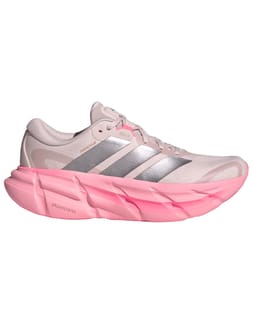
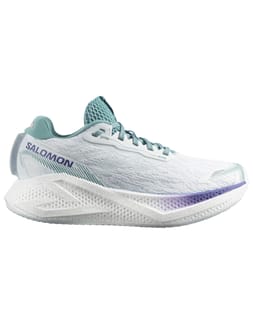
Road, forest trails or track sessions, every women's running shoe is designed for a specific use. Discover a selection on Snowleader of models created to support your stride, whatever your level or preferred terrain.
Women's running shoes: the Snowleader selection
Snowleader's experts have gathered the best women's running shoes currently available on the market. Among the selection, you'll find running shoes for women from Salomon, Saucony and Hoka One One, as well as On Running, New Balance and Adidas. Whether you're preparing for your first road races or aiming for a marathon, the weight of the shoe, its cushioning and the type of sole will naturally guide your choice. A lightweight model is ideal for speed sessions, while a running shoe with enhanced cushioning will provide more comfort and joint protection on long tarmac runs.
How to choose women's running shoes?
Contrary to popular belief, a women's running shoe is not just a men's model in different colours. The fit is narrower at the heel, the forefoot slightly wider, and the cushioning density is calibrated for a generally lower body weight. To find the right model for you, consider several criteria: your stride type, the level of cushioning you want and, of course, your shoe size. For more details, our dedicated guide to the best running shoes covers these aspects.
Analysing your stride: neutral, supinator or pronator
Before buying, knowing your stride type will help you avoid disappointment. There are three main profiles:
- Neutral stride: your feet land in a balanced way. Most models on the market will suit you.
- Pronator stride: your foot rolls inwards with each step. Choose a running shoe with a stability support on the inner side of the sole.
- Supinator stride: your foot rolls outwards. Opt for a model offering more flexibility and reinforced lateral cushioning.
The drop, meaning the difference in height between the heel and the front of the foot (measured in millimetres), also affects your running mechanics. A low drop (4 to 6 mm) encourages a midfoot strike, while a higher drop (10 to 12 mm) suits runners who naturally land on their heels.
The importance of cushioning for comfort
On a 10-kilometre run, each foot strikes the ground between 7,000 and 8,000 times. It's easy to see why cushioning is a key factor when choosing a running shoe. Technologies vary significantly from one brand to another: Saucony uses its PWRRUN foam for both responsiveness and comfort, Hoka One One favours ultra-light maximalist CMEVA midsoles, and On Running relies on its CloudTec system, which cushions each impact with independent hollow pods. Good cushioning not only protects your joints: it reduces muscle fatigue and lets you run longer, with more enjoyment.
Choosing the right size for your running shoes
Your feet naturally swell during exercise, sometimes up to half a size on longer runs. To avoid blisters and black toenails, it's recommended to choose half a size to a full size up from your usual city shoe size. To measure your foot width, place your feet flat on a sheet of paper and measure the distance between the two widest points: this will help you decide if a standard or wide fit is best for you.
The best brands of women's running shoes
Hoka, On Running and Saucony: essential references
With its Clifton and Bondi ranges, Hoka One One stands out for its thick, soft soles that cushion the foot without weighing it down, a comfort especially appreciated by runners who cover daily miles. On Running, the second most represented brand in our women's running catalogue, offers models like the Cloudmonster with the CloudTec system for segmented cushioning and dynamic rebound. Saucony completes this trio with the Ride, a versatile model combining lightness and responsiveness, perfect for both easy runs and interval sessions.
New Balance and Adidas: versatility and everyday comfort
New Balance relies on its FreshFoam technology to deliver soft, progressive cushioning, ideal for runners seeking plush comfort without sacrificing responsiveness. The FreshFoam range includes several models for both short runs and long distances.
Adidas uses its Dreamstrike+ bio-based foam, which combines soft cushioning and stability to support your stride with energy. Its women's running models, such as the Supernova Rise, feature a technical mesh upper for breathability and fits designed for the female foot, with special attention to colours and design.
Care and lifespan of running shoes
When should you replace your running shoes?
A pair of running shoes is usually replaced after 600 to 800 kilometres, but this varies depending on the model, terrain and runner's weight. Some signs are clear: an asymmetrically worn sole, a loss of cushioning comfort you didn't notice before, or unusual joint pain after your runs. Alternating between two pairs daily can extend the lifespan of each shoe and vary the feel underfoot.
Tips for caring for your running shoes
Your women's running shoes will last longer if you follow a few simple steps. After a muddy run, clean them with lukewarm water and a soft brush, paying attention to the outsole lugs. Remove the insoles and let everything air dry, away from direct heat sources (radiator, tumble dryer) which can damage the cushioning foams. Store them in a dry, ventilated place, out of direct sunlight, to preserve the materials' flexibility over time.
FAQ: Frequently asked questions
What are the differences between women's and men's running shoes?
Beyond the colours, the differences are structural. A women's running shoe offers a narrower heel fit, a forefoot adapted to the female foot shape, and cushioning density recalibrated for a generally lower body weight. Brands develop specific lasts to ensure optimal support with every stride.
How to choose running shoes for different types of terrain?
The terrain you run on largely determines the choice of sole:
- Road and pavement: flat sole with generous cushioning to absorb repeated impacts on hard surfaces.
- Trails and paths: lugged sole (trail type) for reliable grip on soft or wet ground. Also check out our selection of women's trail running shoes.
- Mixed use: a versatile model with a hybrid sole profile is a good compromise if you alternate between tarmac and woodland.
What features should you look for in women's running shoes for winter?
Running in cold or wet weather requires suitable gear. Look for shoes with a waterproof membrane (such as Gore-Tex), a grippy outsole for wet or icy surfaces, and a slightly higher upper to protect your ankle from the cold. Reflective elements on the upper also improve your visibility during winter runs at dusk. Pair your shoes with technical running socks to regulate temperature and reduce friction.
What technological innovations ensure better comfort in running shoes?
Manufacturers are constantly innovating to improve every component of the running shoe. Today you'll find carbon plates for increased propulsion, energy-return foams like Pebax, technical knit uppers that are both breathable and supportive, On Running's CloudTec system for segmented cushioning, and quick-lacing systems for a personalised fit. These innovations make every stride more comfortable and efficient, whatever the distance.
Snowleader offers free delivery from €199 and free returns within 60 days so you can try your shoes with peace of mind. Also discover our range of men's running shoes.
Also see: How to choose your running shoes?


Our Bloch' letter


