


Trail / running backpacks


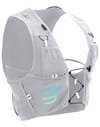

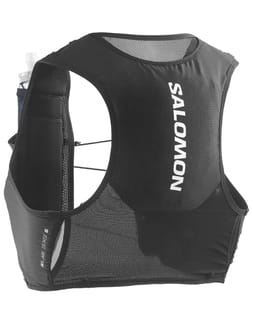


Duro 1.5 Sandy Grey
Hydration vest -


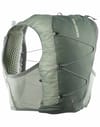






Duro 1.5 Sandy Grey
Hydration vest -


A discreet yet highly effective companion, the trail running backpack supports you from a simple jog in the woods to ultra-trails in the high mountains. Discover our selection designed for demanding runners, featuring Salomon, Osprey, Black Diamond, Deuter, InStinct and Dynafit.
Why choose a trail running backpack?
On the trails, your gear makes the difference between a controlled run and a struggle. The trail running backpack is nothing like a classic hiking rucksack: designed to fit like a second skin, it hugs your torso, moves with your stride, and keeps your arms free for running. You can carry everything you need (water, snacks, windbreaker, headlamp, phone) without ever feeling weighed down or suffering from bouncing. Our selection of the best trail running backpacks will help you refine your choice according to your needs.
The advantages of trail running backpacks
Much more than just a container, the modern trail running backpack is a true performance tool. Here's what sets it apart on the trail:
- A vest-like fit close to the body that eliminates bouncing and preserves your stride, even on technical descents.
- Often weighing less than 300 grams for short-distance models, making it negligible over hours of running.
- Hydration accessible on the move, via front flasks on the chest or a rear hydration bladder.
- Back ventilation and good breathability, essential for long summer outings.
- Multiple pockets and compartments to organise bars, gels, windbreaker and mandatory kit.
Trail running backpack or hiking rucksack: what's the difference?
This is a common question for runners who are also into mountain walking. While both share some features, their uses are very different. The trail running backpack, sized between 2 and 20 litres, focuses on absolute lightness and a vest-style carry that eliminates bouncing during effort. The classic hiking rucksack, larger (30 to 70 litres) and structured with a rigid frame and reinforced hip belt, is designed to carry heavy loads over several days, as detailed in our hiking rucksacks section. Before you start, check out our guide on mandatory trail running equipment to get started right.
How to choose the right trail running backpack?
Three questions always guide your choice: what distance will you run, in what conditions, and with what level of self-sufficiency? Your answers determine the right volume, necessary fit, and the accessories that will really make a difference.
Volume and capacity by distance
The capacity should reflect the duration of your effort and the amount of kit you need. Rather than going too big for safety, knowing that an oversized pack bounces and throws you off balance, it's better to match the capacity precisely to your real needs:
- 2 to 5 litres: perfect for short runs up to two hours, weekday training or short-format races, with one or two front flasks. For ultra-light outings, trail running belts are an even more minimalist alternative.
- 5 to 12 litres: the most versatile range, covering trails from 10 to 50 km, carrying hydration, snacks, windbreaker and phone without excess.
- 12 to 20 litres: the recommended capacity for ultra-trails and long, self-sufficient mountain runs, where mandatory safety kit (waterproof jacket, headlamp, survival blanket) is required.
Comfort, stability and proper fit
A poorly fitted backpack can ruin any outing, no matter its technical quality. The right fit starts with size: most models come in XS to XL and are chosen according to chest measurement, with specific fits for men and women to suit different body shapes. Once you've found the right size, the pack should be adjusted snugly to the body using elastic chest straps, without compressing the ribcage or restricting breathing. Wide, breathable shoulder straps, a ventilated mesh back, and no pressure points under the arms are key for lasting comfort.
Accessories and features to look for
Beyond volume and fit, it's the details that make the difference on the run. Features to consider include:
- Pole holders at the front or sides, essential for alpine routes with significant elevation, and to complement your trail running poles, sometimes paired with a dedicated trail running quiver for even quicker storage.
- Front pockets accessible while running for flasks, gels and phone.
- Integrated safety whistle, required by most official race regulations.
- Compatible with a rear hydration bladder of 1.5 to 2 litres for long distances.
- Dedicated compartment for waterproof jacket and survival blanket, quickly accessible when needed.
- Stretch fabrics and flat seams to prevent irritation on bare skin or with a light top.
Our trail running backpack brands
Our range brings together the brands that have shaped trail running and those defining its future. Each model is selected for proven reliability, technical choices and its ability to meet specific needs, from new runners to ultra-runners. Naturally pair with a good pair of trail running shoes for a complete and coherent outfit.
Salomon: performance and innovation
It's hard to talk about trail running backpacks without starting with Salomon. The Savoyard brand simply invented the modern vest-pack with its Advanced Skin and S/Lab ranges, now a benchmark for both elites and keen amateurs. Exceptional comfort, precise fit, constant innovation in materials and carrying systems: Salomon continues to push the discipline forward, season after season. Discover our selection of Salomon trail running backpacks combining performance and innovation.
Black Diamond: durability and toughness
With a long alpine heritage, Black Diamond approaches trail running with the demands of high mountain use. Their packs focus on longevity, careful ergonomics and technical features especially appreciated by runners in challenging terrain, where gear must withstand abrasion, falls and changing conditions without fail.
Osprey, Deuter, InStinct, Dynafit…
Alongside these two references, several brands deserve your attention. Osprey trail running backpacks offer particularly advanced technical systems in intermediate volumes. Deuter backpacks showcase German expertise in robust, well-finished outdoor models built to last. InStinct, a young French brand dedicated entirely to trail running, stands out for its minimalist philosophy and ultra-streamlined vests like the Eklipse. Dynafit, a recognised specialist in ski touring and skimo, brings its lightweight carrying expertise to trail models such as the Alpine Vest, especially suited to mountain races with significant elevation.
How to care for your trail running backpack
A well-maintained trail running backpack will last for several seasons without losing its technical qualities. After a muddy or particularly sweaty run, rinse it with clean water and let it air dry, turned inside out and away from direct heat sources. Avoid washing machines and tumble dryers: they damage technical fabrics, deform carrying foams and weaken stretch seams. Also remember to regularly clean your hydration bladder and tube with a suitable solution to prevent mould, especially after using energy drinks. Between seasons, store the empty pack in a dry, ventilated place, away from direct light.
FAQ: all about trail running backpacks
What size trail running backpack for a marathon or ultra?
For a 42 km trail marathon, a 5 to 12 litre pack is more than enough to carry hydration and personal supplies between aid stations. For an ultra-trail, opt for 12 to 20 litres to include the mandatory safety kit required by organisers: waterproof jacket, survival blanket, headlamp, whistle, reusable cup and charged phone. Always check the event rules before the start.
How to avoid chafing and irritation with a trail running backpack?
Chafing almost always results from poor fit or the wrong size. Start by choosing the right size using the brand's guide, then carefully adjust straps and shoulder harness before setting off, with the pack loaded as it will be during your run. Choose models with flat seams and stretch fabrics, and apply anti-chafing cream to sensitive areas (sternum, armpits) on long outings.
Can you use a trail running backpack for hiking?
For a day hike with a light load, a 12 to 20 litre trail running backpack will work perfectly and even offer superior comfort thanks to its close-to-body fit. However, for multi-day treks or expeditions with camping gear, choose a true hiking rucksack with a reinforced hip belt to transfer the load to your hips.
Front flasks or rear hydration bladder: which to choose?
It depends on your needs. Front flasks offer immediate access to hydration without breaking your stride and allow you to control exactly what you drink, or separate water and energy drink. The rear hydration bladder increases capacity (up to 2 litres) and balances weight better over long distances. On ultras, many runners use both systems to benefit from the advantages of each.


Our Bloch' letter


