


 United Kingdom
 Deutschland
 Belgique
 Suisse
 Österreich
 España
 Italia
 Nederland
 Danmark
 Sverige
 Portugal
 Polska
 Luxembourg
 Other countries


Available colours:


End of the Season for Snow Series
Up to 70% off items at the end of the season for snow*

Available colours:


Available colours:

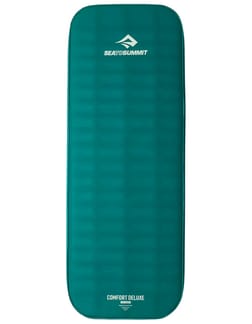


FALL SALE: UP TO 50% OFF
On a wide selection of products*
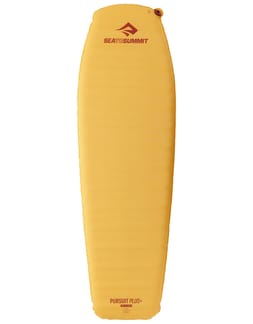

A camping mat is essential for comfort whether you're bivouacking or camping, as it determines the quality of your sleep and your recovery between days outdoors. Whether you're heading out on a trekking adventure, mountaineering, or simply enjoying a weekend in nature, the right mat makes all the difference to how rested you feel.
The different types of camping mats
Whether you prefer traditional campsite stays or wild bivouacs, everyone agrees: a comfortable sleeping mat is key after a long day. To suit these varied needs, the market offers three main types of camping mats, each with its own construction, strengths, and limitations. Understanding these differences is the first step to choosing the right mat for your adventures. For more advice, you can read our dedicated guide to choosing a camping mat.
Inflatable mats: comfort and convenience
Imagine enjoying mattress-like thickness in the middle of a mountain bivouac: that's exactly what inflatable mats provide. Built with one or more air chambers, they offer generous comfort-often between 7 and 10 cm thick-while packing down to the size of a water bottle when deflated. Inflation is done by mouth for basic models, or with an integrated pump sack to keep moisture out and speed up setup. Models like the Thermarest NeoAir XLite NXT, from the pioneering American brand, and the Sea To Summit mat Ether Light XR regular, showcase the best in comfort and insulation for minimal weight. For campers with vehicles who want maximum thickness, the Exped Megamat remains a benchmark with its 10 cm of cushioning and near-bed comfort.
Self-inflating mats: the ideal compromise
Looking for a mat that sets itself up and handles rocky ground? Self-inflating mats combine open-cell foam and an air chamber: just open the valve and the foam expands, drawing in air. Compared to standard inflatables, this system offers better ground insulation, greater durability against stones and twigs, and almost instant setup-ideal at the end of a long day. The Thermarest LuxuryMap and BaseCamp ranges, as well as the Exped mat Sim Comfort, are reliable choices for hikers and bivouackers who value dependability over extreme weight savings.
Foam mats: lightweight and robust
For demanding bivouacs, mountaineering, or winter expeditions, reliability is more important than pure comfort. Closed-cell foam mats are the answer: immune to punctures, they unroll instantly, retain insulating properties even in freezing temperatures, and often weigh less than 400 grams. Their bulk-usually strapped to the outside of your pack-is the main trade-off, but their indestructibility makes them the go-to for those who can't risk gear failure in the field.
How to choose your camping mat?
Before choosing a model, ask yourself three simple questions: which season will you use it, what type of ground, and how will you transport it? A mat designed for summer trekking in the hills is very different from one needed for winter bivouacs. Beyond these basics, user reviews and field feedback are excellent complements to technical specs when making your choice.
Comfort and insulation criteria
Comfort mainly depends on mat thickness: under 5 cm, you'll feel the ground; from 7 to 10 cm, you'll enjoy real cushioning. The other key factor is R-value, which measures the mat's thermal resistance and its ability to insulate you from cold ground. Here are some guidelines to help you choose:
- R-value below 2: summer use in lowland or hills
- R-value between 2 and 4: three-season use, spring to autumn
- R-value above 4: winter conditions and all-season models for the most demanding bivouacs
If you're camping at altitude or in cold weather, don't overlook this: a high-performance sleeping bag loses much of its benefit if paired with a poorly insulated mat.
Weight and pack size: key factors
On a trekking trip or alpine bivouac, every gram and cubic centimetre counts. Ultralight mats weigh between 300 and 500 grams and pack down to the size of a small water bottle, making them unbeatable for demanding hikes and especially for trekking mats. Regular sizes remain comfortable for most people without overloading your pack. In vehicle camping, weight and bulk are less important, so you can prioritise thickness and comfort. Also consider adding an inflatable pillow-often overlooked, but it can transform your sleep quality.
Care and repair of your mat
A well-maintained mat can last for hundreds of nights without losing comfort or insulation. Most issues in the field (slow leaks, stuck valves, sagging foam) are due to poor care or storage, not manufacturing defects.
Repairing a puncture: steps to follow
Finding a leak during a bivouac isn't the end of the world if you have the right kit and know-how. Here's how to locate and repair it effectively:
- Reinflate the mat with a pump or pump sack and apply soapy water to the surface: bubbles will show the puncture location
- Mark the area with a pen, fully deflate, and clean the surface thoroughly
- Apply the patch from the repair kit, pressing firmly for several minutes
- Allow the recommended drying time before reinflating
Almost all models come with a repair kit: keep it in a dedicated pocket in your pack to avoid uncomfortable nights.
Tips for optimal storage
After each trip, dry your mat thoroughly before storing, especially around the valves where residual moisture can cause internal mould. Store it unrolled, or only lightly compressed, in a dry, temperate place out of direct sunlight. Avoid keeping it fully inflated or tightly compressed for long periods to preserve the elasticity of air chambers and seam integrity over time.
Sleeping gear: the essentials
Among essential sleeping gear for a good night's rest, the sleeping bag is most important. Don't forget your mat or a hammock and a mosquito net! For even more comfort, Snowleader offers a range of pillows to help you avoid a stiff neck. To explore the full range, visit our dedicated outdoor mats page.
FAQ: your questions about camping mats
How do I choose a camping mat for the season?
The key factor is R-value, which measures the mat's thermal resistance. For summer and lowland use, a value below 2 is enough. For three-season use, look for an R-value between 2 and 4. For winter nights or high altitude, choose a model with an R-value above 4, or even combine two mats for extra insulation.
What should I look for in a lightweight, compact camping mat?
Three things matter: total weight (under 500 grams for ultralight), packed size, and construction type. Ultralight inflatable and thin self-inflating mats are best for trekking and multi-day hikes. Make sure the R-value matches your season: a very light but under-insulated mat can ruin a night at altitude.
What width and length of mat should I choose?
Standard width, or regular, is 50-55 cm: suitable for most back sleepers with average shoulders. If you sleep on your side, move a lot, or have a broad build, go for a wide version (65-70 cm) to avoid ending up on the cold ground. Standard length is 183 cm, and choose long (198 cm) if you're over 1.85 m to keep your feet covered. Some brands also offer short versions, lighter and designed so you can place your backpack under your legs to save weight on demanding treks.
How do I inflate a mat without a pump?
The most effective method is the integrated pump sack, supplied with most high-end mats: open it to the wind, trap air, then squeeze it into the valve. This keeps moisture out of the air chambers, prolonging the mat's life and preventing internal mould. Mouth inflation is a backup option, but only use it if you have nothing else. Never overinflate: leave some give to fit your body shape and protect the seams from prolonged tension.



Sign up for our newsletter
Be the first to hear about promotions, sales, special offers, snowleader events, and new brands added to our catalog!
By signing up for our newsletter, you agree to receive our personalized emails and to allow us to track whether you open them. You can change your consent at any time after you first receive a communication, or after creating your account, if applicable.


